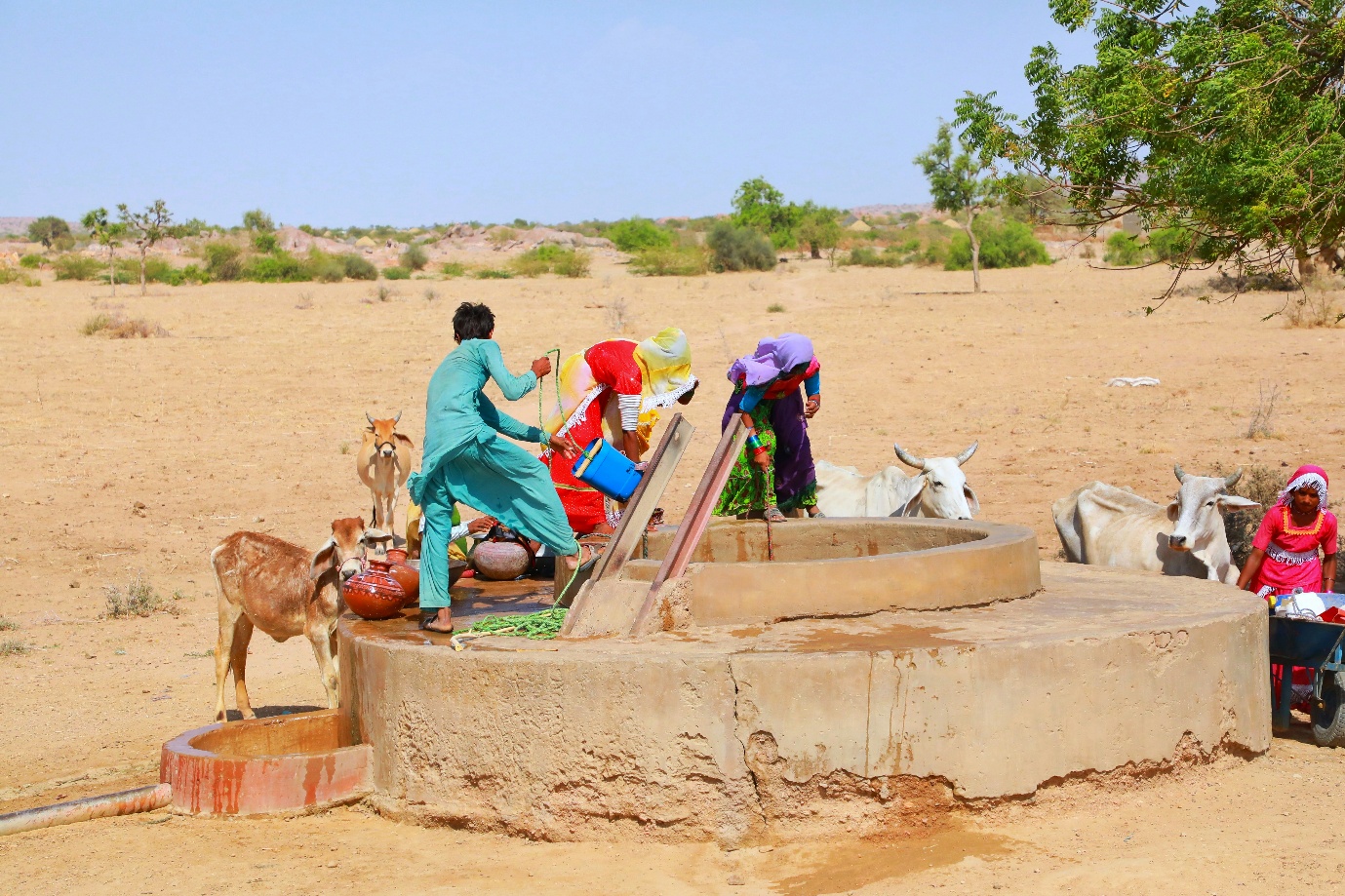
The relationship between gender and climate breakdown concerns not only who suffers environmental harm, but also who has the resources and/or authority to respond to it. Across South Asia, climate pressures interact with the uneven distribution of political influence, property ownership, employment, and unpaid labour. Gender functions to organise these differences, while climate impacts can reinforce them by increasing workloads or undermining livelihoods. The IPCC's Asia assessment emphasises that climate risks emerge through these interactions between climate change and social inequality.
Let us take South Asia as a regional frame with particular attention to Pakistan, where agricultural livelihoods, disrupted healthcare and post-flood reconstruction illustrate these concerns for CCEHR.
Gender and the distribution of climate risk
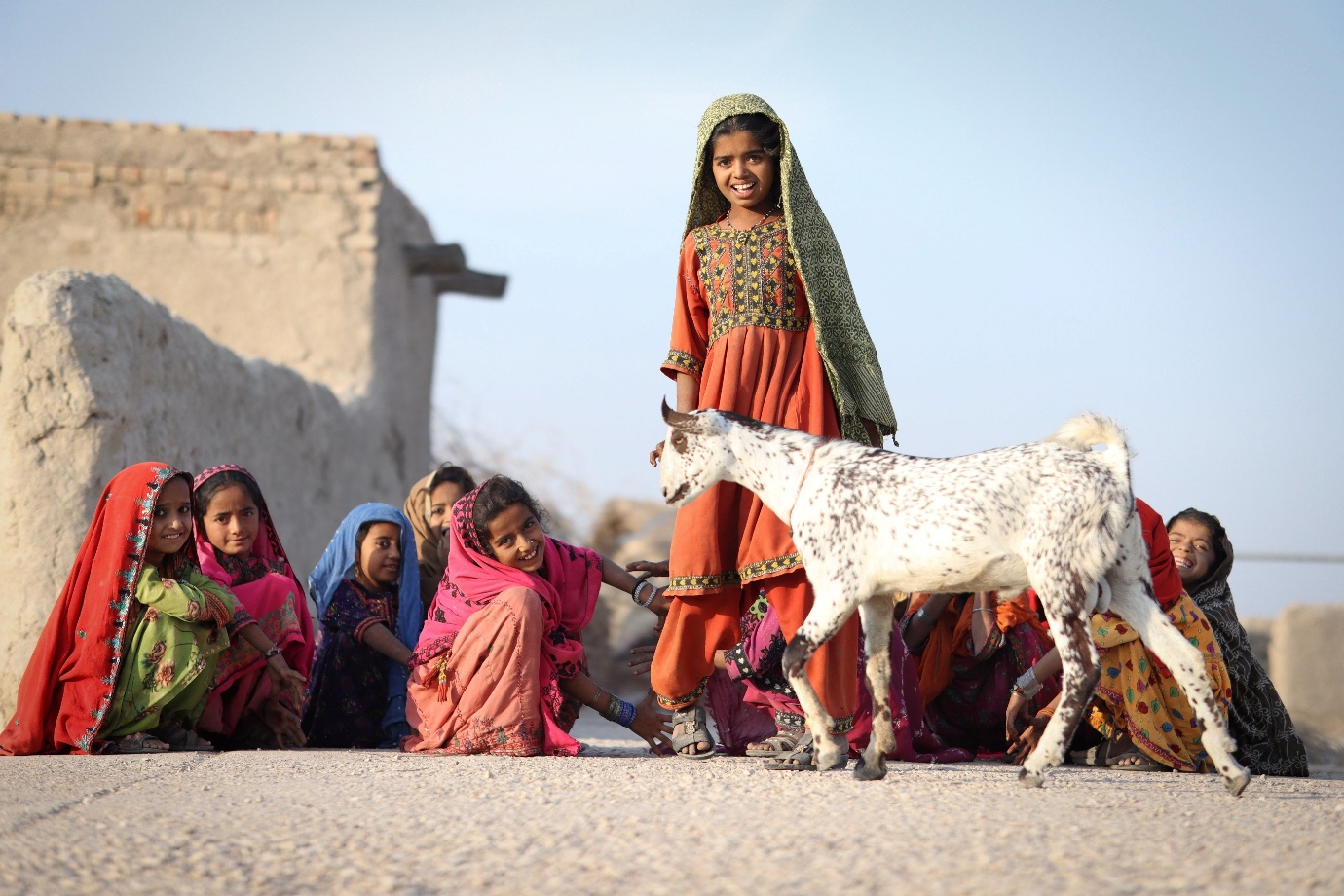
South Asia does not have a predictable uniform pattern of climate vulnerability. Mountain communities, agricultural plains, coastal settlements and expanding cities must deal with differing combinations of heat, water insecurity and flooding. Non-climate related disasters (such as earthquakes) also have differing impacts across the region, often underpinned by the added hazards of climate breakdown.
Gender concerns relationships that allocate responsibilities, restrict options, establish expectations and determine sources of authority. Although this theme focuses primarily on women and girls, their experiences are certainly not uniform. Class, caste, age, disability, ethnicity and migration status affect access to resources and protection. An intersectional approach must consider how these inequalities combine, as opposed to treating disadvantage as an inherently female characteristic. Regional research identifies patriarchal institutions and social exclusion as important constraints on adaptation.
Livelihoods
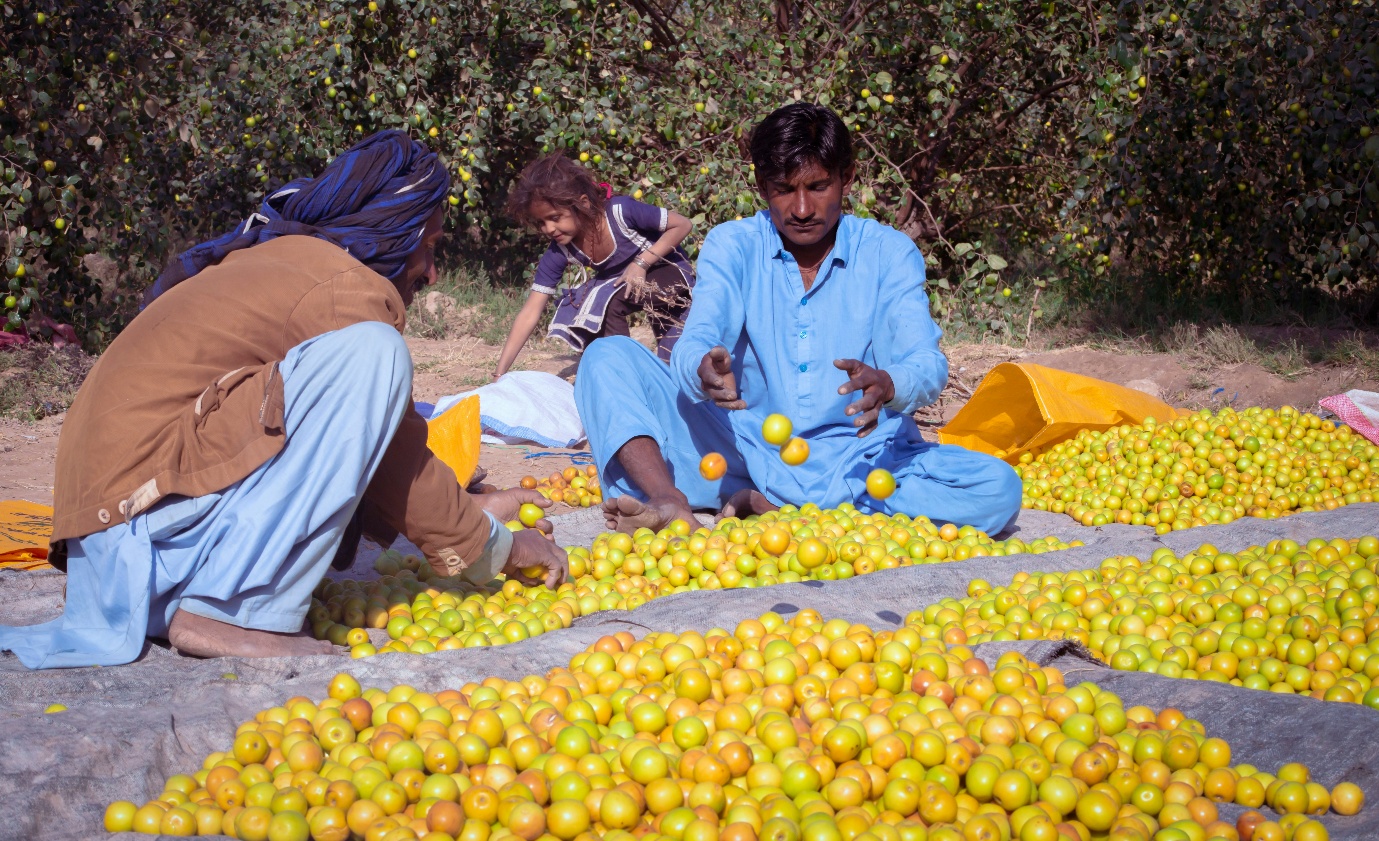
Adaptation requires reflections on power. Altering agricultural production may depend on finance, secure land rights, information and authority over household decisions. Women who contribute labour without equivalent control over these resources can face increased responsibilities while having limited influence over possible responses. The central issue is power: who can decide how resources are used, whose priorities guide investment and who controls the benefits.
Pakistan's Sindh province illustrates the distinction between agricultural participation and control. The World Bank describes women's substantial involvement in agricultural work alongside limited control over income and assets. Let us look at the results of the $120 million investment from 2016 to 2023 to make Sindh more resilient to the impacts of climate breakdown: the World Bank reports how `The Sindh Emergency Service has been made [sic] operationalised' in 2023, along with other infrastructure projects like dam construction and maintenance of embankments for 100,000 citizens `at risk receiving timely and more accurate early warning notifications.' In November 2023, `a dedicated gender desk at emergency rescue service' was established as well as a percentage of female first responders. 13.6% of this labour force is female, 3% of the labour force in the construction of dams was female. The project director concludes that `The project's success carries a powerful message: even in our most vulnerable moments, we can build back stronger. As regions worldwide face growing climate risks, Sindh's experience offers not just hope, but a practical roadmap for turning disaster response into an opportunity for lasting resilience'. According to this picture, a total investment of $500 million by the World Bank is delivering 1.73 million women from a total population of 3.6 million `benefit from infrastructure built to withstand future disasters.'
Climate-related disruption affects more than production; recovery also depends on whether those performing the work can access and direct the resources needed to rebuild their livelihoods. Women's agricultural employment should not automatically be interpreted as evidence of economic independence. Nor indeed should a woman's entrance into other areas of the labour market: women's wages often fall substantially more in the labour market than men's do after disasters, and women also struggle to find new jobs more than men do in post-disaster environments. There should be a pause before the customary declaration of project success.
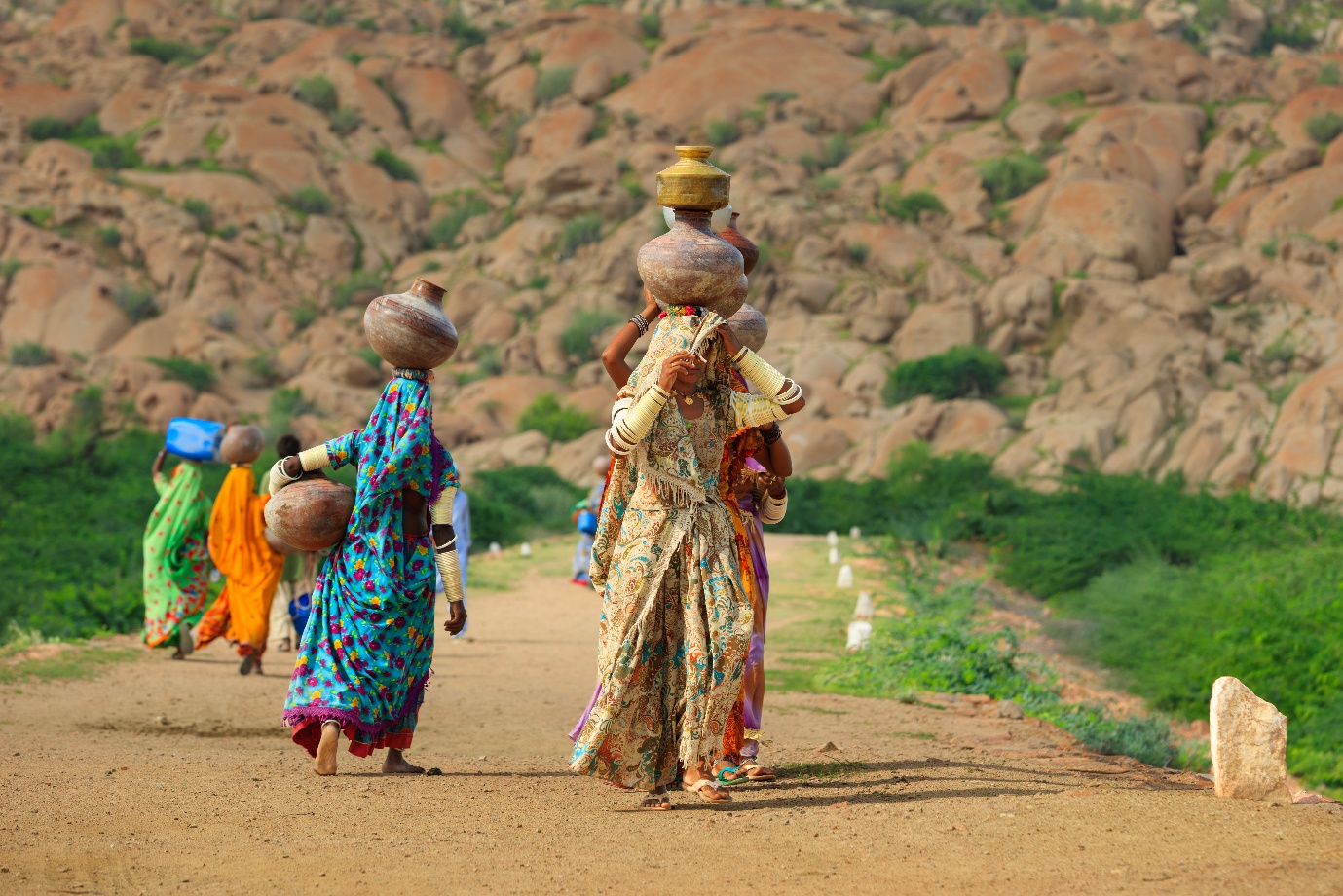
Unpaid labour also offers another connection between climate pressures, disasters and inequalities. When usual supply routes are compromised, women and girls regularly find themselves burdened with tasks that are both difficult and dangerous. Walking long distances to collect water or firewood exposes women to physical risk from arduous terrain as well as to potential attacks. Such time-consuming labour also eats into their capacities to engage in other potentially productive or empowering activities.
Male out-migration also complicates the scenario. Climate disruption impacts on local livelihood opportunities, driving men to seek work in urban areas or abroad. Whilst the repatriated income may benefit a household overall, this loss of male family members' labour increases responsibilities for those who remain. The extra work that women absorb related to managing land and making everyday decisions does not necessarily bring with it ownership or control of earnings. Adaptation should therefore be assessed not only via continued production, but also via the distribution of labour, authority and wellbeing. `Resilience' that increases women's burdens exponentially is not necessarily a positive outcome.
Safety and displacement
Pakistan's 2022 floods demonstrated how disasters can disrupt essential reproductive healthcare. In August 2022, UNFPA estimated that almost 650,000 women in flood-affected areas required maternal health services. This points towards the double-burden of physical and social difference; safe pregnancy and infant wellbeing are dependent on healthcare, transport and skilled assistance, all of which are threatened by damaged infrastructure post-disaster, and by climate-related displacement.
Displacement after disasters brings with it heightened risk of both stranger and intimate-partner violence. While climate breakdown does not make gendered abuse inevitable or remove responsibility from perpetrators, analysis should examine how insecurity interacts with existing forms of coercion, inequitable access to resources and weakened protective mechanisms at social and political levels. Such analysis is needed to inform assistance planning, which should address safety and access to support on multiple levels alongside accommodation and material supplies. Without this analysis, the gendered consequences of disruption can persist beyond the emergency, particularly when recovery reproduces unequal access to assets and services.
Women's contribution to climate debates
International research documents the value of women's practical contributions to climate advocacy, highlighting their work in local resource management and the benefits of their participation in community-level institutions. Barriers continue to exist in relation to their representation in formal environmental politics.
Pathfinder International works with the government of Pakistan and other partners to develop women's and girls' leadership in climate adaptation in Sindh and Khyber Pakhtunkhwa. Their described work accompanies the Islamabad Declaration, a regional commitment linking gender equality with climate action and calling for greater participation by women and young people in policy decisions.
The significance of such projects will depend on whether participation enables women to shape priorities and hold decision-makers accountable; merely providing opportunities to be consulted is not enough. While women's inclusion is desirable, the real issue is whether inclusion changes the terms on which decisions are made. At CCEHR, we are committed to advancing these gender equity measures for society's benefit and we undertake research that underpins the effective design and implementation of advocacy/empowerment programming as an important institutional measure of real-world success for women and girls.