
Climate Breakdown and Gender
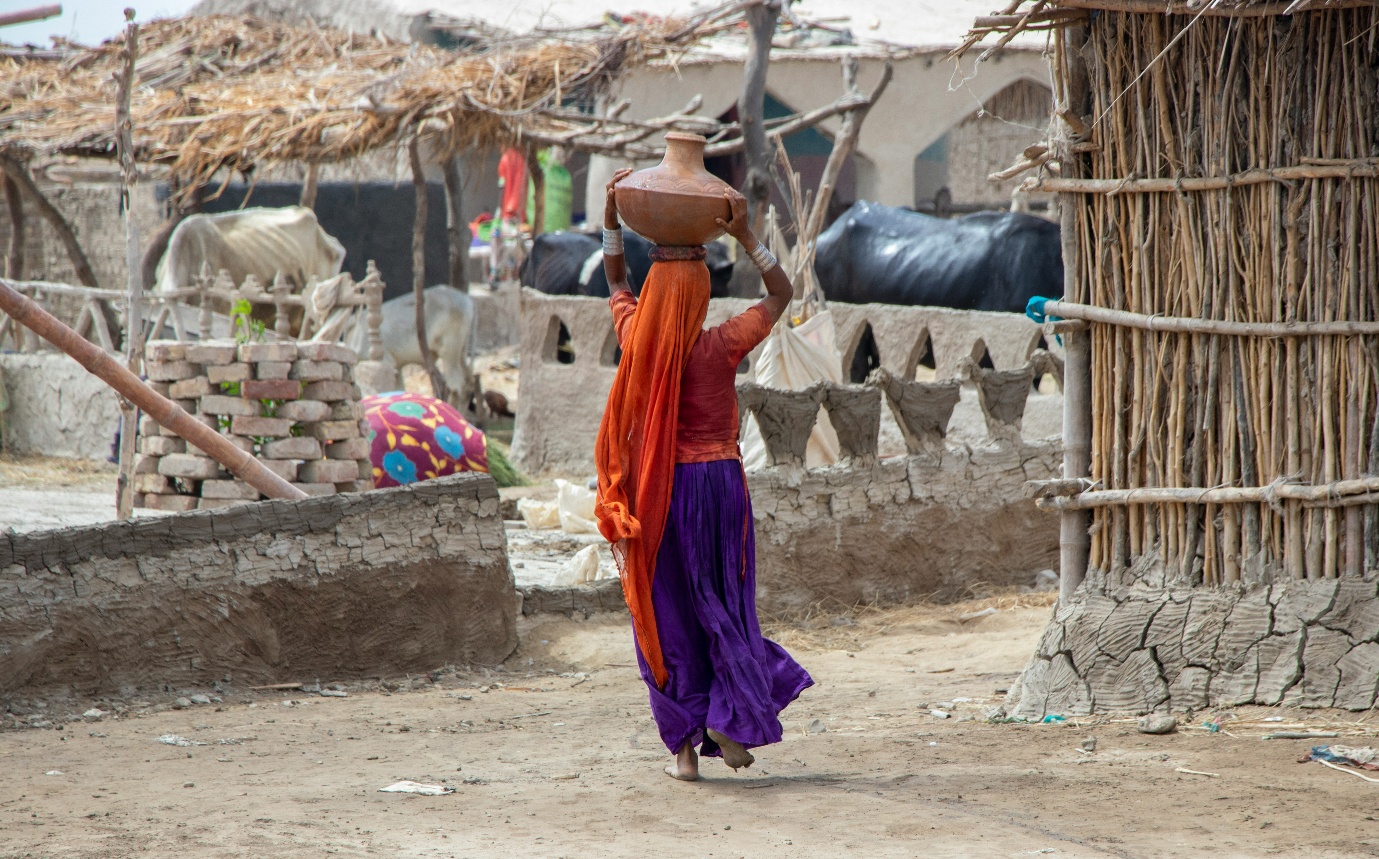
The relationship between gender and climate breakdown concerns not only who suffers environmental harm, but also who has the resources and/or authority to respond to it.
Read moreAn institutional platform at Aror University for climate-related research, capacity building, community engagement, policy research and the development of evidence-based solutions.
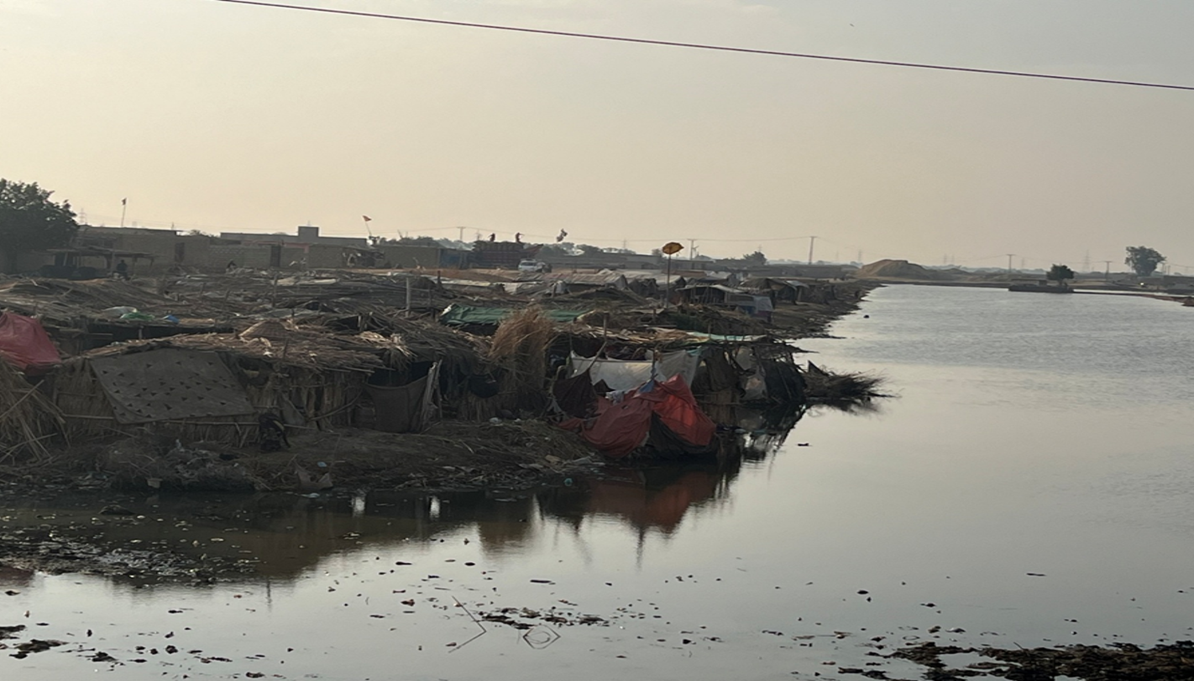
ظَهَرَ ٱلۡفَسَادُ فِي ٱلۡبَرِّ وَٱلۡبَحۡرِ بِمَا كَسَبَتۡ أَيۡدِي ٱلنَّاسِ
Corruption has appeared on the land and in the sea because of what the hands of humans have wrought.
Qur'an 30: 41
"We all have a responsibility to return the world to mizan (balance) and adl (fairness) for all. The amana (trusteeship) of the planet given to humankind as khalifa (steward) means that its resources are to be used responsibly. Reflecting on the Creator's balance of Nature, in which we form a part without subverting it, without changing it, is a form of worship."
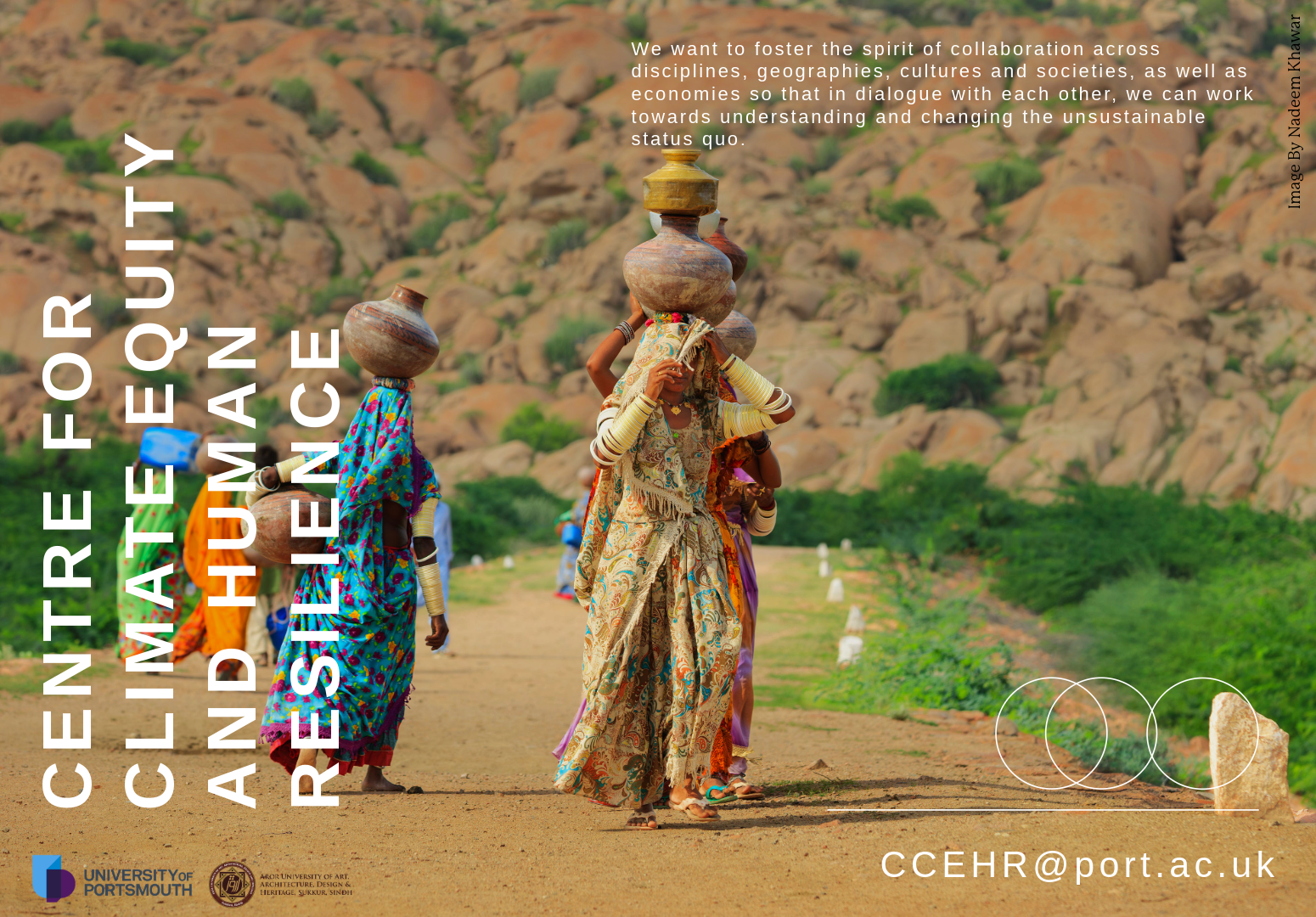
The University of Aror and University of Portsmouth (UK) have come together to set up the Centre for Climate Equity and Human Resilience (CCEHR) as a dedicated place to meet and address the challenges we face from climate breakdown. CCEHR's mission is to translate research of anthropogenic/human wrought change into practical, evidence-based solutions. At the sixtieth session in July 2025 when discussing the United Nations Expert Mechanism on the Right to Development at UN Human Rights Council in July 2025, the Pakistani representative stated that
"Among several challenges, armed conflicts and natural disasters are an acute threat to the enjoyment of human rights by women and girls. Currently, large parts of Pakistan have been once again experiencing catastrophic flooding caused by drastically changing climatic conditions. Disruptions in sharing of hydrological data have only worsened matters and heightened risks. Mr. Special Rapporteur, we will welcome your insights on how to ensure climate resilience and empowerment programs targeting women and girls from a right to development perspective."
The threat posed by climate breakdown extends to all human, animal and vegetable life. The Asian nations are now at the frontier of severe climate impacts. Food security in the agro-based economies of Pakistan and India is threatened. Opportunistic insurgent groups recruit from younger generations where rural livelihoods are threatened by shipping blockades on fertiliser. Poorer women's vulnerability has only increased, alongside the most marginalised groups, like construction and factory workers in heat afflicted cities. Hari (landless agricultural workers) in rural Sindh and Punjab take on more debt to cover basic costs as prices rise.
We want to challenge the forces that endanger life and seek to reduce the disturbance of mizan wrought by the climate crisis. Our attention is caught by situations such as Lake Manchar and the Mohana who live on the lake, and with its fish and large birds. The Right Bank Outfall Drain to the lake, originally designed to reduce soil salinity for cultivation, has introduced agricultural runoff, industrial effluent, and sewage from cities. The falling oxygen, rising salinity and algae growth are destroying the ecosystem the Mohana have relied upon for generations. With the onset of climate breakdown, CCEHR will learn to heed the claims of rivers to maintain mizan.

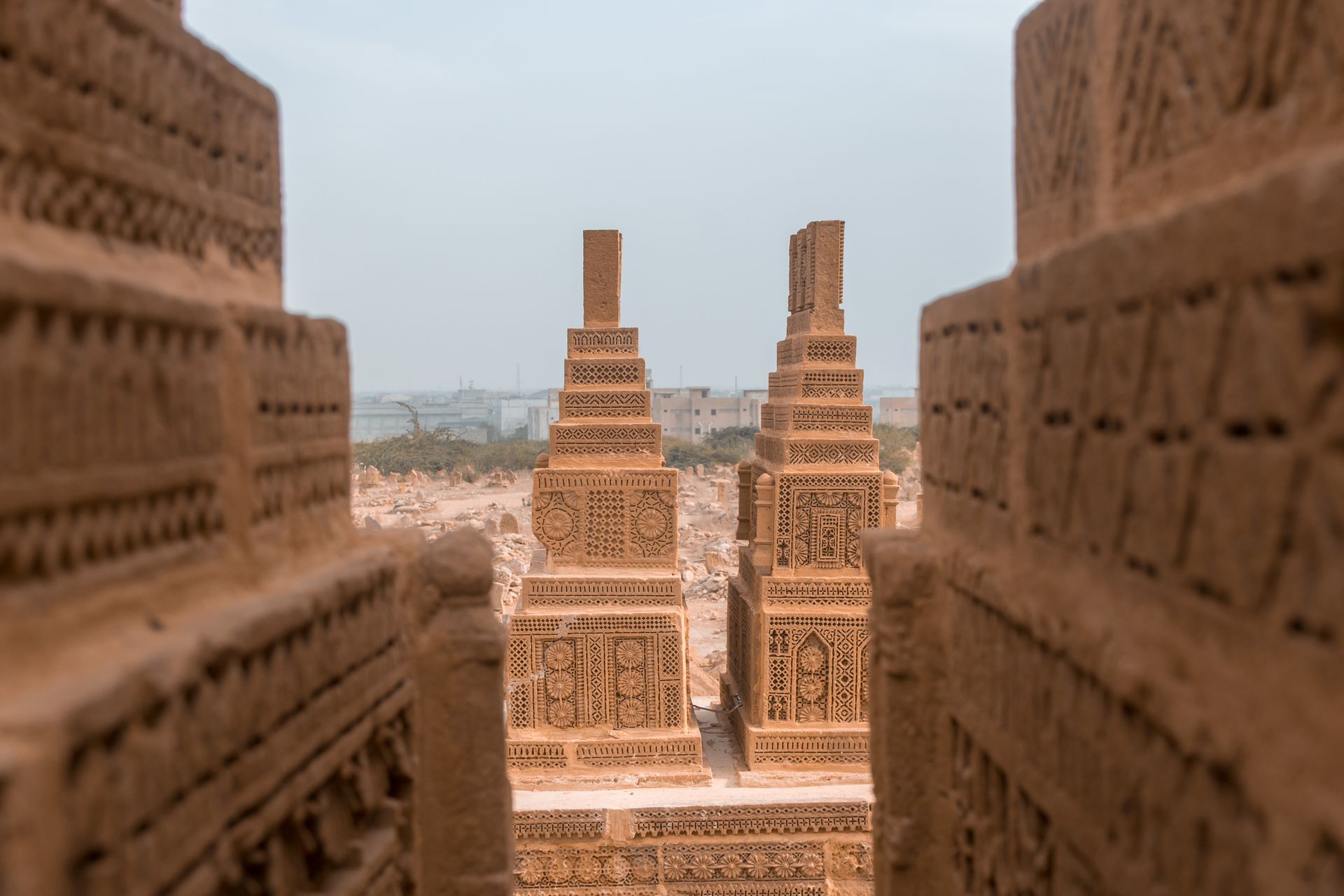
Drawing on our research specialisms at the intersection of Climate Science, Environmental Studies, Social Science, Humanities and Heritage, Architectural Design, Engineering and the study of water and livelihoods, CCEHR seeks to connect local knowledge with national and international priorities for adaptation to climate breakdown. We foster a research environment that treats all stakeholders, private, public and civic, as voices in a respectful collective.
We acknowledge that the legacy of inequalities shapes the catastrophic present. Our research seeks to impact the systems that make underrepresented people vulnerable to the effects of climate breakdown. By collaboration across the global North and South, CCEHR facilitates research that draws upon a multi-directional exchange of resources and knowledge. CCEHR recognises systematic expulsions of people from land, livelihood, habitat and water, anticipating the global worsening of conditions. With an interdisciplinary team of academics and stakeholders in the field, CCEHR is working to provide local solutions to problems associated with the global climate crisis and faced by affected communities.
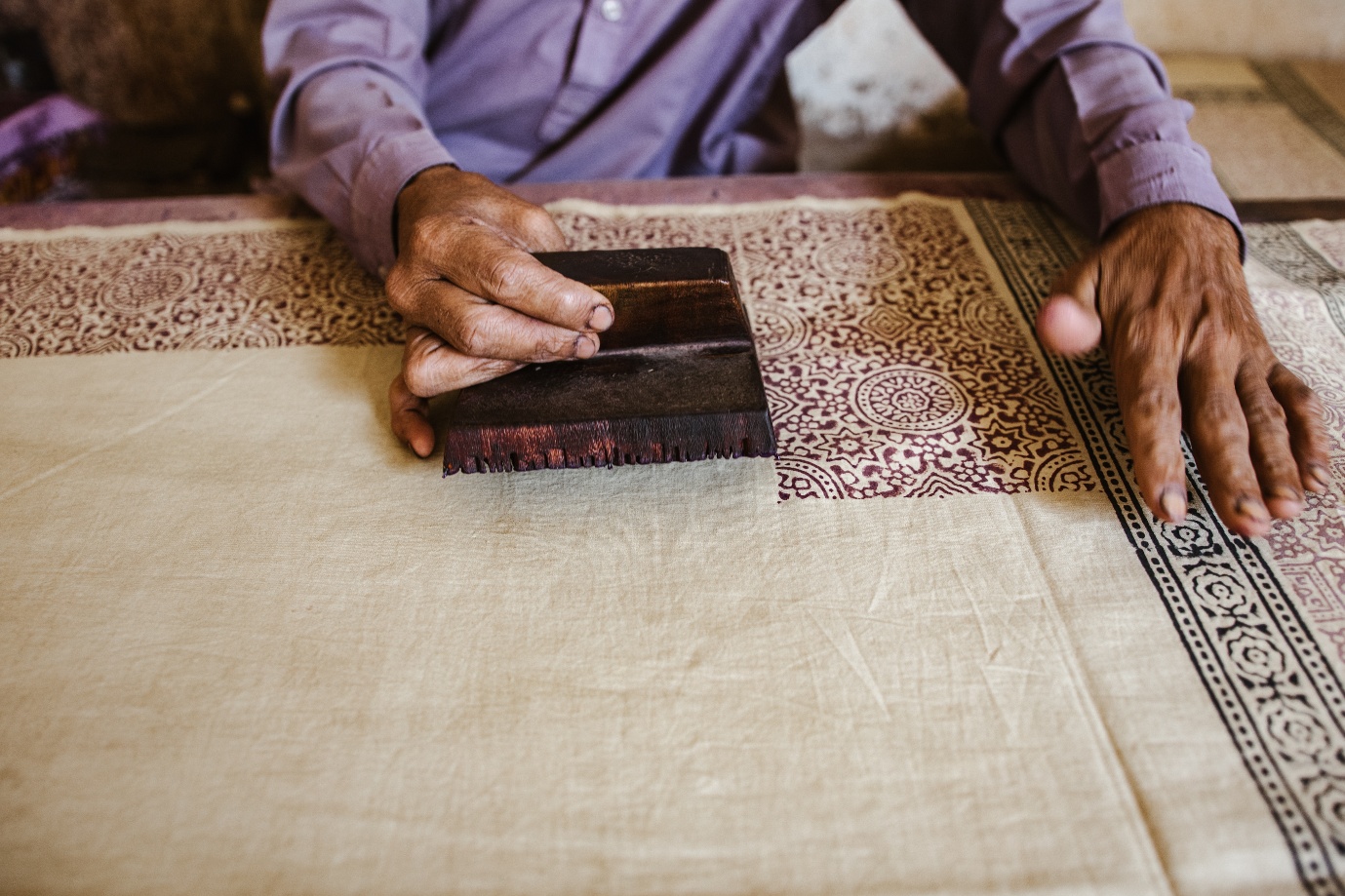
CCEHR is actively seeking out new opportunities for collaboration with research councils, philanthropists, policy makers, scientists and other stakeholders in the field of climate justice.
CCEHR works with external stakeholders at the national and local level when it comes to research and collaboration, including:
 Aror University
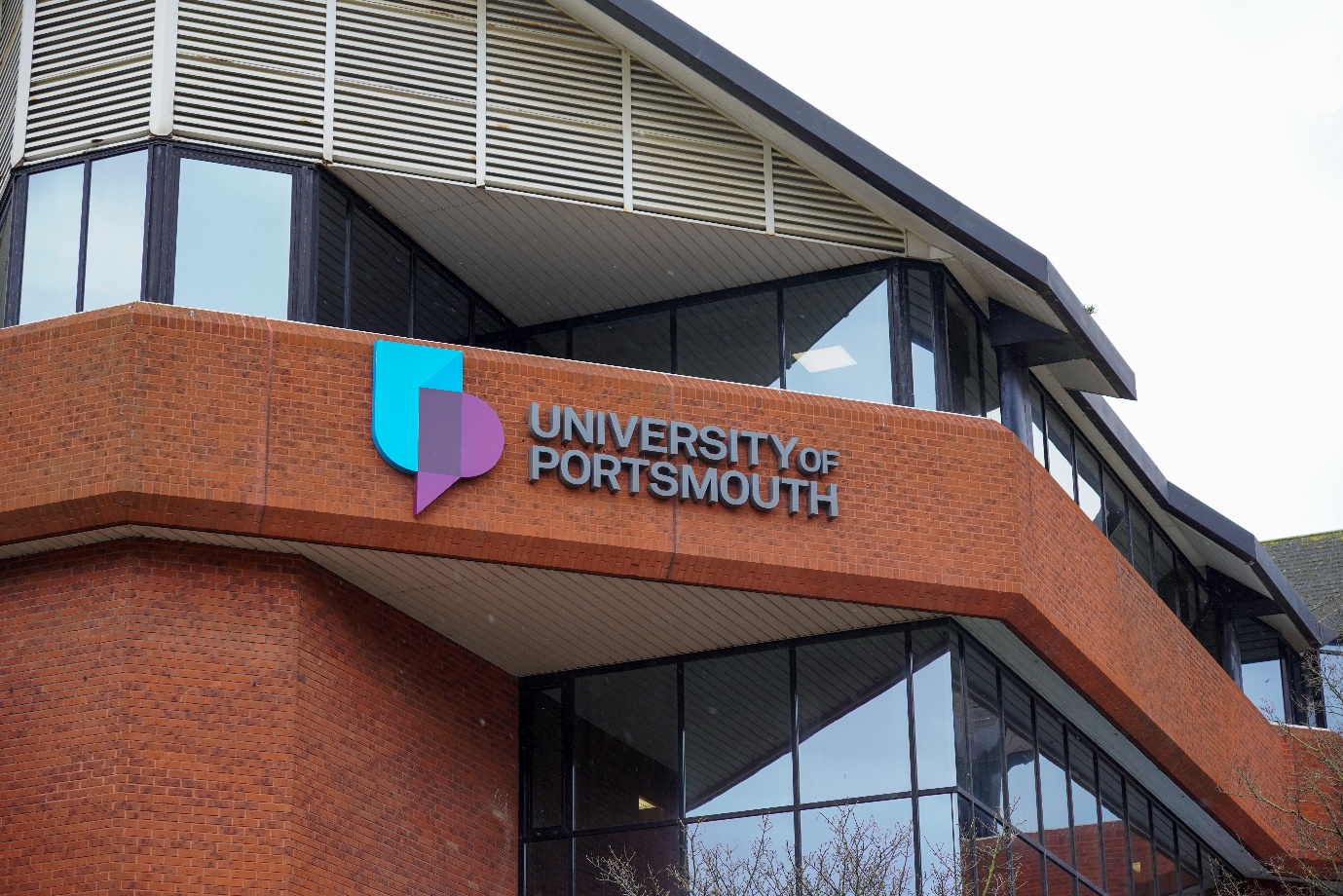
 University of Portsmouth, UK
CCEHR has a partnership with The Centre for European and International Studies Research (CEISR) at University of Portsmouth, UK. CEISR offers global perspectives on the major social transformations of the past and present, specialising in research into cross-border transnational and supranational dimensions of Europe, Africa, the Americas and Asia. In the UK Research Excellence Framework 2021, CEISR's entry in Area Studies was ranked as the top modern UK university for overall quality by Grade Point Average (GPA) and research power, and 2nd across all UK universities for research power, according to Times Higher Education.
Membership is open to faculty members of Aror University, with associate membership and collaboration extended to researchers, universities, government institutions, NGOs, INGOs, industry and other relevant stakeholders.
The relationship between gender and climate breakdown concerns not only who suffers environmental harm, but also who has the resources and/or authority to respond to it.
Read moreThe scientific revolution on the world scale requires capital, but heritage, fine arts, design and environmental science at Aror do not have to wait for the West.
Read moreClimate change is one of the greatest threats to Pakistan's existence because its impacts create social disruption, migration and environmental climate refugees.
Read morePakistan contributes less than 1% of global greenhouse gas emissions and historically has played a relatively small role in contributing emissions that have accumulated in the atmosphere since the beginning of the industrial era.
Read moreWith its focus on community initiatives and subaltern perspectives, CCEHR promotes interdisciplinary, transnational and comparative perspectives on cultural heritage.
Read moreQur'an 30: 41. "We all have a responsibility to return the world to mizan (balance) and adl (fairness) for all."